
Strategy


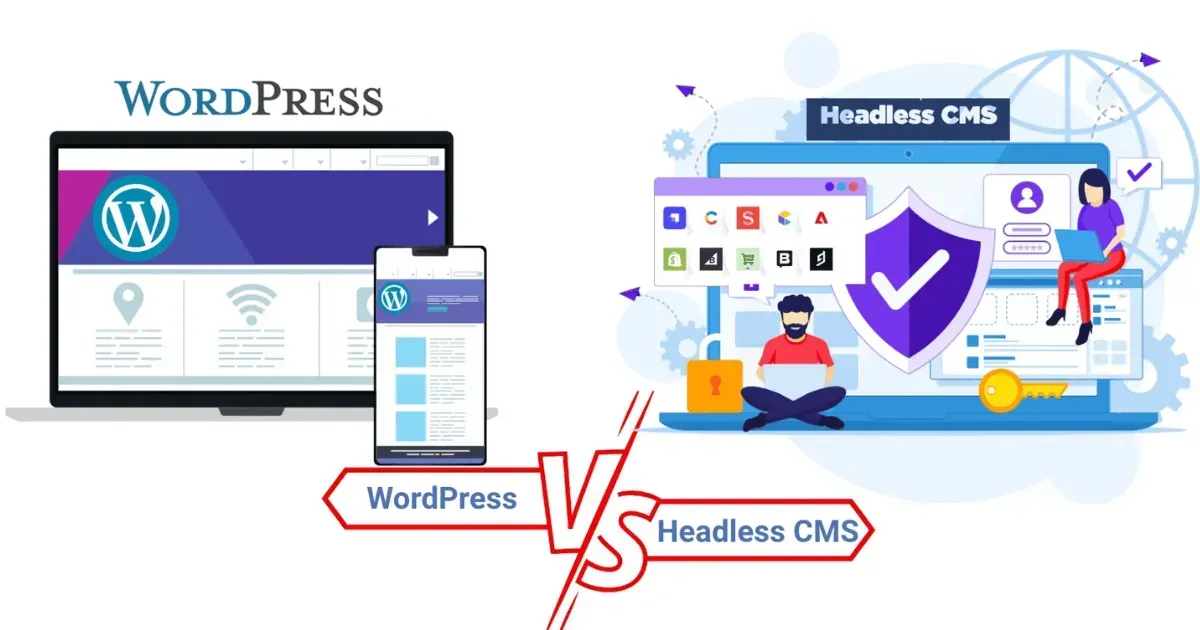
Ten years ago, if you asked me how to build and manage a business website, my immediate answer would be “WordPress.” It was user-friendly, had countless themes and plugins, and allowed even the least tech-savvy among us to spin up a polished site fairly quickly. It was, for a time, the undisputed champion of content management systems. But in technology — and especially in digital marketing — ten years is practically an eternity. What once felt like a bright, shiny innovation can suddenly become a “dinosaur.” That’s precisely how many people are starting to describe WordPress in the face of headless websites.
Let’s take a moment to compare the two. I know this topic can get super technical, so I’ll keep it practical and focused on the marketing and performance gains you can expect. Rest assured, you can still get perfectly good performance from “old, outdated” tools, but if you’re eager to walk at the edge of modern web technology, it might be time to consider going headless.
- Why WordPress Became the Dinosaur Calling WordPress a dinosaur sounds harsh. It still powers 43% of the internet, which is an impressive feat. Yet there’s a reason that number, while huge, is beginning to plateau or even slow in growth.
Monolithic Architecture WordPress is an all-in-one system: it handles your content management, your site’s back end, and your presentation layer in a single package. This “monolithic” approach was fantastic for simplicity a decade ago. But as sites grow more complex and user experiences become more demanding, a monolithic structure can feel restrictive. Bloated Performance Many WordPress sites carry baggage in the form of excessive plugins and themes loaded with complex code. This leads to longer load times, which can hurt both user experience and SEO. Sure, you can optimize WordPress with caching plugins, content delivery networks (CDNs), and code minification — but you’re essentially putting modern tires on an old vehicle. It’ll run, but maybe not as sleekly as you’d like. Security Concerns WordPress’s popularity is also its Achilles’ heel. Because it’s such a massive target, it draws relentless attention from hackers. You can mitigate vulnerabilities by staying updated and practicing good security hygiene, but this does require vigilance, especially if you’re juggling many plugins or custom code snippets. Maintenance-Heavy WordPress is known for frequent updates. On the positive side, that means improvements and patches. On the negative side, it can turn into a maintenance headache, as plugins and themes can break or conflict with one another whenever updates roll out. Don’t get me wrong — WordPress still works fine for countless businesses. It’s familiar, has a huge support community, and can absolutely be fine-tuned for strong performance with the right optimizations. But if you’re eyeing the future of web experiences, you may want to look beyond.
- Enter the Headless Website A headless website decouples (or separates) the front-end design and user interface from the back-end content management system. You can still use WordPress as the back end if you wish (often called “headless WordPress”), but you can also opt for more modern, nimble platforms like Contentful, Sanity, or Strapi. In a headless architecture:
The “head” (your user-facing website) is typically built with a modern front-end framework like React, Vue.js, or Next.js. The “body” (your content management) can reside in a CMS that delivers content via API. Why does this matter for marketers?
Blazing Speed & Performance The front end is usually statically generated or served by an ultra-fast framework that delivers lightning-quick load times. This is huge for user experience, search rankings, and conversions. Modern frameworks can handle dynamic data but still load quickly. The difference is often quite dramatic compared to a bloated WordPress theme. Greater Flexibility Headless setups let you push the same content to multiple platforms — websites, mobile apps, wearable devices, or even Internet-of-Things gadgets — without rebuilding everything. You’re not locked into the constraints of a particular theme or plugin ecosystem. You can shape the user experience to your exact needs and brand identity. Scalability If you’re planning for growth, a headless approach can be more future-proof. You can add services, microservices, and features without being tied down by a monolithic system. Also, it’s often easier to integrate advanced personalization or AI-based features into a decoupled stack. Enhanced Security Because the front end is separate, your CMS is less exposed to direct attacks. Hackers can’t just exploit a WordPress plugin vulnerability to compromise your entire site. This layered approach can add a level of security that monolithic systems sometimes lack. 3. The Reality Check: WordPress Still Works Despite these modern perks, I want to stress something important: WordPress can still deliver outstanding performance if used the right way. Plenty of huge brands run on WordPress without major issues. With a well-coded theme, minimal plugins, a top-tier hosting provider, and strong caching, it can still load fast and provide a seamless experience for end users.
But if you’re encountering frustration with the plugin bloat, version conflicts, or simply want a site that feels up-to-date with the latest development practices, headless websites may be worth exploring. Keep in mind that going headless means you’ll likely need a specialized developer or team comfortable with front-end frameworks—so it’s not always a quick fix for those wanting an out-of-the-box solution.
- Adopting a Cutting-Edge Mindset In the end, whether you stick to WordPress or jump ship to a headless setup, it’s vital to adopt a growth mindset about technology. As marketers, we’re no strangers to the phrase “adapt or get left behind.” With each passing year, the digital experiences customers expect will only become more immersive, personalized, and interactive.
Here are some tips for walking on that cutting edge:
Stay Curious If you remain in the WordPress camp, pay attention to the rise of headless WordPress. Maybe that’s a comfortable stepping stone for you — staying with a familiar CMS while making your front end more modern. Weigh Trade-Offs Headless sites can offer better performance, but they also typically require higher development skill. WordPress can be easy to maintain for non-technical users, but it might be less scalable or flexible for advanced use cases. Test & Pilot Before fully transitioning to a headless architecture, launch a small experimental project or microsite. Monitor load times, conversions, and how easy (or difficult) it is for your team to create and manage content. Focus on Speed & UX Regardless of which approach you choose, prioritize user experience. In my years of marketing, I’ve learned that content speed and quality often trump everything else. Final Thoughts Sometimes calling WordPress a “dinosaur” is a bit of rhetorical flair—after all, it’s still evolving. But the metaphor does highlight a real shift in digital strategy. While you can absolutely get great performance and results using the “old, outdated” tools, you’ll find a whole new level of creative freedom, speed, and security by exploring more cutting-edge solutions like headless websites.
Whichever path you choose, keep in mind that technology isn’t a one-and-done game. As soon as you settle into one platform, the digital world shifts again. Embrace the change, experiment, and let your marketing strategy drive your tech decisions—not the other way around. Above all, remember that it’s your unique brand experience and compelling content that ultimately win over your audience—tools are just the means to get you there.
Question for You: Have you considered going headless, or do you prefer sticking with WordPress? Share your thoughts and experiences in the comments. It’s always insightful to see how other marketers navigate these tech crossroads—especially when it comes to balancing innovation with practicality.
Stay updated on tech trends
Join our mailing list for exclusive insights and practical tech advice delivered to your inbox.
For Businesses
Need expertise on your next technical challenge? our team is here to help.
Mary Massoumi
Mary Massoumi
Marketing Director (15+ years) exploring new tools/techniques. Daily insights on AI, MarTech, social media & ads
Impressions: Ad Views vs. First Impressions — What It Really Means for Marketers vs. Normal People
Posted by Mary Massoumi |.August 30 2026
Custom Software Development vs. No-Code vs. Off-the-Shelf: How Startups Should Decide
Posted by Mary Massoumi |.June 11 2026
Traffic: Homepage Hits vs.Headache-What It Really Means for Marketers vs. Normal People
Posted by Mary Massoumi |.March 22 2026
You May Also Like
M Powered Ventures supports startups and companies by providing world-class tech expertise.
Have questions about implementing these ideas?
We're here to help.Contact Usfor a free consultation orPitch Your Startupif you're looking for a technical co-founder.
