
Development


Throughout my extensive experience in the marketing industry, I've witnessed numerous technological transformations, ranging from social media revolutions to the emergence of mobile-first strategies. But none of these advancements seem to stir up as much anxiety as artificial intelligence does today.
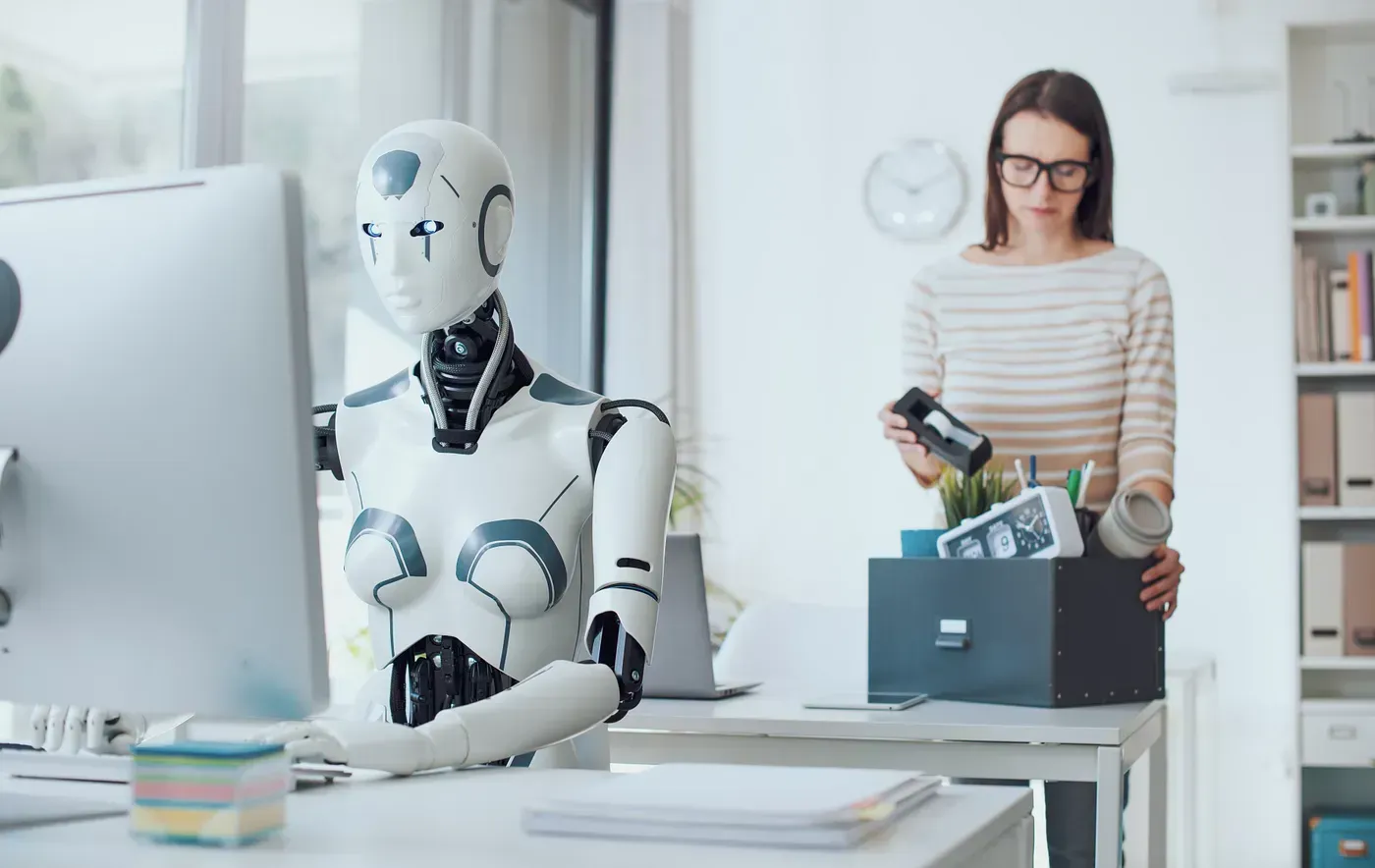
Some folks fear AI will take over everything—whether it’s generating resumes or stealing entire professions. I’ve even heard of recruiters taking extra precautions to ensure applicants aren’t using AI to draft their resumes or answer job interview questions. It’s like a modern witch hunt for “AI-aided applicants,” and honestly, it’s getting a little out of hand.
Here’s the truth: AI isn’t our future overlord; it’s a tool—like a calculator or a high-tech version of an abacus. Just as the first cars didn’t render humans obsolete (they merely replaced the horse-drawn carriage, speeding us up and changing how society functioned), AI is simply the next stage of our technological evolution. Let’s talk about these fears, the real dynamics behind AI’s impact on the job market, and why it ultimately benefits professionals who know how to use it wisely.
- Where the Fear Comes From Many of us cling to the status quo because it’s comfortable. Whenever a new technology emerges, people focus on the worst-case scenarios. Whether it’s machinery replacing factory workers or email “ruining” personal communication, we tend to worry that technology will take away core aspects of our jobs or lives. AI has become the poster child for such fear, amplified by sensational headlines declaring it will replace entire career fields.
Combine that with the fact that AI can draft text—resumes, cover letters, entire presentations—and it’s no wonder some recruiters and hiring managers are on high alert. They worry about authenticity, about losing the “human element” in the hiring process, and about being duped by polished AI-crafted responses that don’t reflect the real capabilities of the candidate.
- AI as a Calculator, Not a Mastermind I’ve often heard people say, “But AI can do everything for us!” And yes, in some ways it can do an impressive array of tasks: summarizing data, generating ideas, even writing code. But consider the humble calculator. It, too, can do arithmetic faster than any human. We don’t say calculators have “taken over” mathematics. In fact, having a calculator frees us to do higher-level thinking—like solving complex problems that require logic, creativity, and context.
AI is an advanced calculator for tasks that involve language, pattern recognition, and data analysis. It’s a powerful aid, but it can’t replicate human judgment, empathy, or strategic insight—at least not in the meaningful, holistic way people can.
- The Comparison: First-Generation Cars vs. High-Tech Jets Picture the first automobiles rolling onto the scene. People riding in horse-drawn carriages had doubts and fears: these new vehicles required roads, fuel, and mechanical know-how and changed the whole concept of travel. Over time, cars became essential, but that didn’t stop transportation from evolving further—now we have bullet trains, electric vehicles, and supersonic jets.
AI is akin to that progression. Just as modern jets haven’t replaced cars entirely, AI won’t simply annihilate every form of human employment. Instead, it changes how we operate. We adapt, upskill, and use the best tools at our disposal. AI is a leap in technology, but it still requires direction from skilled professionals. The technology alone can’t make final decisions without our input.
-
Why the Human Element Remains Irreplaceable Contextual Understanding: AI can read thousands of pages of research in seconds, but it doesn’t hold real-world context, cultural nuances, or emotional intelligence. As marketers, for instance, we rely on empathy and human behavior insights to shape campaigns that resonate emotionally—no machine can replicate that insightful creativity on its own. Ethical Judgment: When dealing with sensitive topics—like personal data or ethical concerns in advertising—computers look at patterns and probabilities, but people think about consequences, integrity, and morality. Ultimately, humans decide how to use these tools ethically. Relationship Building: Business is about collaboration, trust, and relationships. AI can’t forge genuine connections or maintain partnerships—only we can, through mutual respect, communication, and shared vision. Strategic Imagination: While AI can suggest tactics, it struggles to replicate strategic imagination—dreaming up bold new concepts that challenge norms. That spark is uniquely human.
-
Yes, AI Will Take Over Some Entry-Level Jobs It’s important to be realistic. AI will replace certain types of roles, especially the ones that involve repetitive or easily automated tasks. Entry-level positions in data entry, basic customer service, or straightforward content creation are among the roles most susceptible. That doesn’t mean the entire workforce is doomed; it means we need to grow alongside technology.
If you refuse to enhance your knowledge, you run the risk of falling behind. In the near future, many of the roles that once existed will no longer be relevant. Meanwhile, an increasing number of companies are hiring AI engineers or professionals trained to implement and manage AI systems. Good news? You don’t need to become a full-fledged engineer to take advantage of this shift; learning how to use AI tools effectively—be it prompt engineering, data analysis, or specialized applications—can put you ahead of the curve.
- Learning to Use AI to Our Advantage So how do we harness AI without losing ourselves in the hype or succumbing to fear?
Educate Yourself Think of it as learning a powerful new software. Invest time to understand AI’s capabilities, limitations, and how it can apply to your field—whether that’s marketing, HR, or programming. Stay Authentic Even if you use AI for an outline, inject your personality and real-life experiences. Showcase critical thinking, problem-solving, and soft skills—these will always be your biggest assets. Experiment and Iterate Technology evolves quickly. Be ready to adapt, test new tools, and pivot as AI’s capabilities expand. The winners in this new era will be those who continually refine how they integrate AI into their workflows. Embrace the Partnership Instead of seeing AI as an alien invasion, view it like a helpful partner. Use it to handle repetitive tasks, generate initial drafts, or gather data insights, leaving you free to handle strategic, interpersonal, or creative aspects Final Thoughts The AI conversation is loaded with misconceptions, sensationalism, and genuine questions about what it means for our jobs. It’s not a supernatural phenomenon coming to steal our livelihoods but rather a tool that can enhance productivity. It’s a tool, just like the transition from abacus to calculator or from horses to horsepower. Those who adapt and learn to use AI will find it enhances their roles, not replaces them.
So let’s dial down the paranoia. If you’re applying for a job, don’t be scared to use AI as an aid—just stay true to your skill set and experiences. And if you’re a recruiter, remember that outstanding talent isn’t measured by their ability to write everything from scratch; it’s about how they solve problems, think strategically, and collaborate. The future isn’t about AI making decisions for us—it’s about us making decisions with AI.
Question for You: Are you seeing heightened suspicion around AI in your industry? How do you balance leveraging AI’s benefits with preserving authenticity in your work? I’d love to hear your thoughts—drop a comment or message me. Let’s keep this dialogue productive and forward-thinking
Stay updated on tech trends
Join our mailing list for exclusive insights and practical tech advice delivered to your inbox.
Other Blog Posts




For Businesses
Need expertise on your next technical challenge? our team is here to help.
Mary Massoumi
Mary Massoumi
Marketing Director (15+ years) exploring new tools/techniques. Daily insights on AI, MarTech, social media & ads
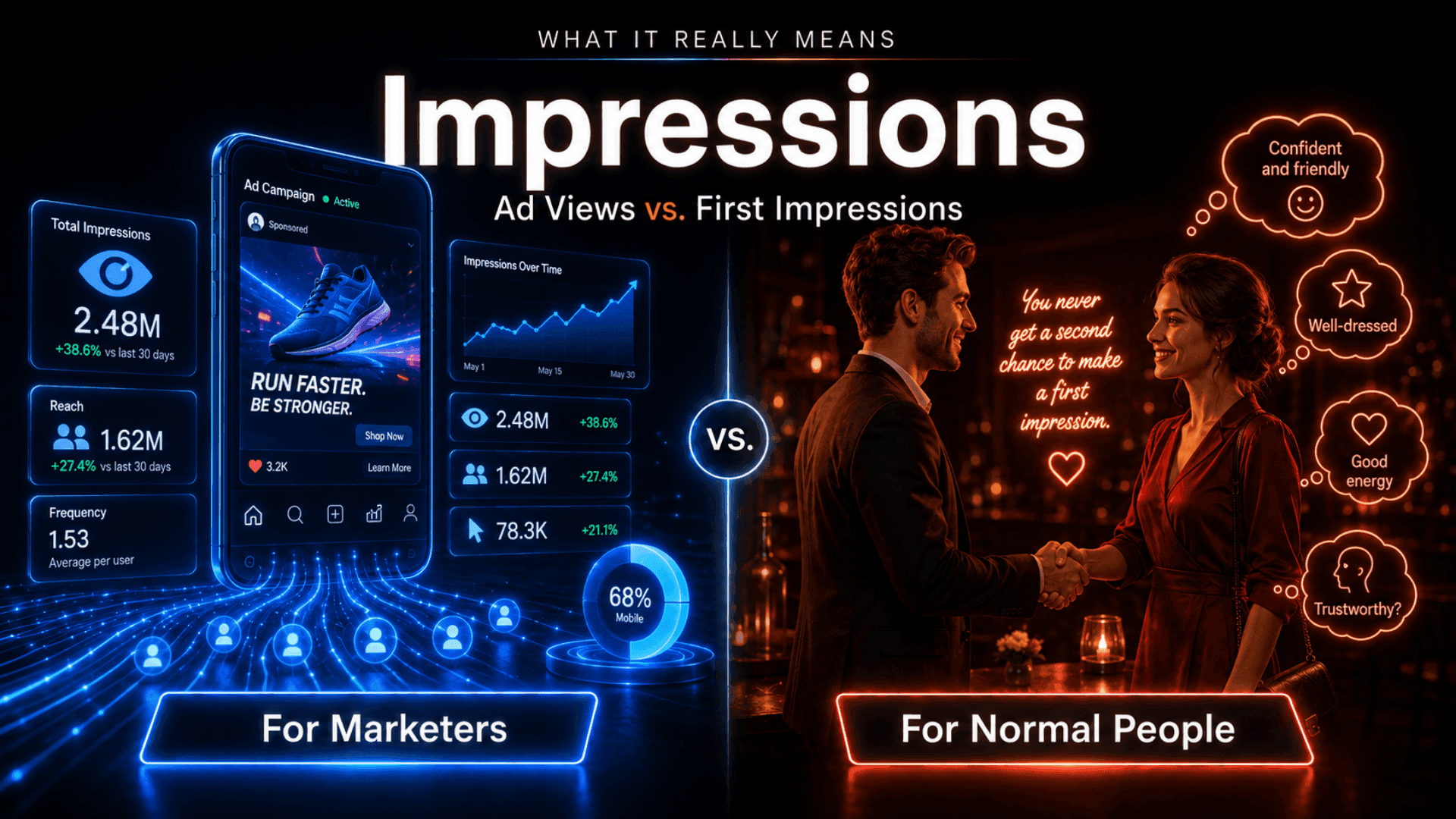
Impressions: Ad Views vs. First Impressions — What It Really Means for Marketers vs. Normal People
Posted by Mary Massoumi |.August 30 2026
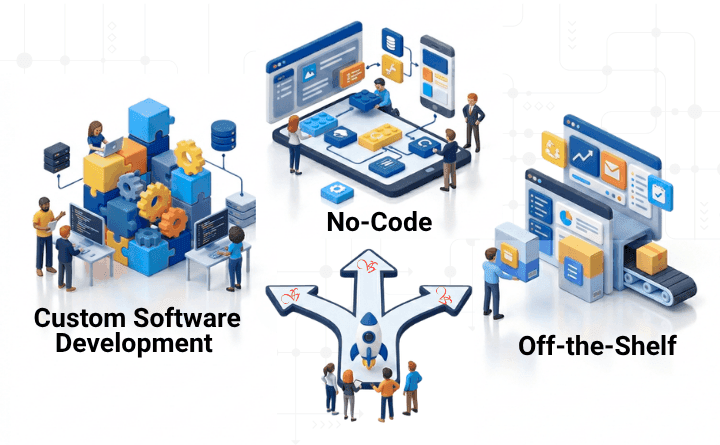
Custom Software Development vs. No-Code vs. Off-the-Shelf: How Startups Should Decide
Posted by Mary Massoumi |.June 11 2026
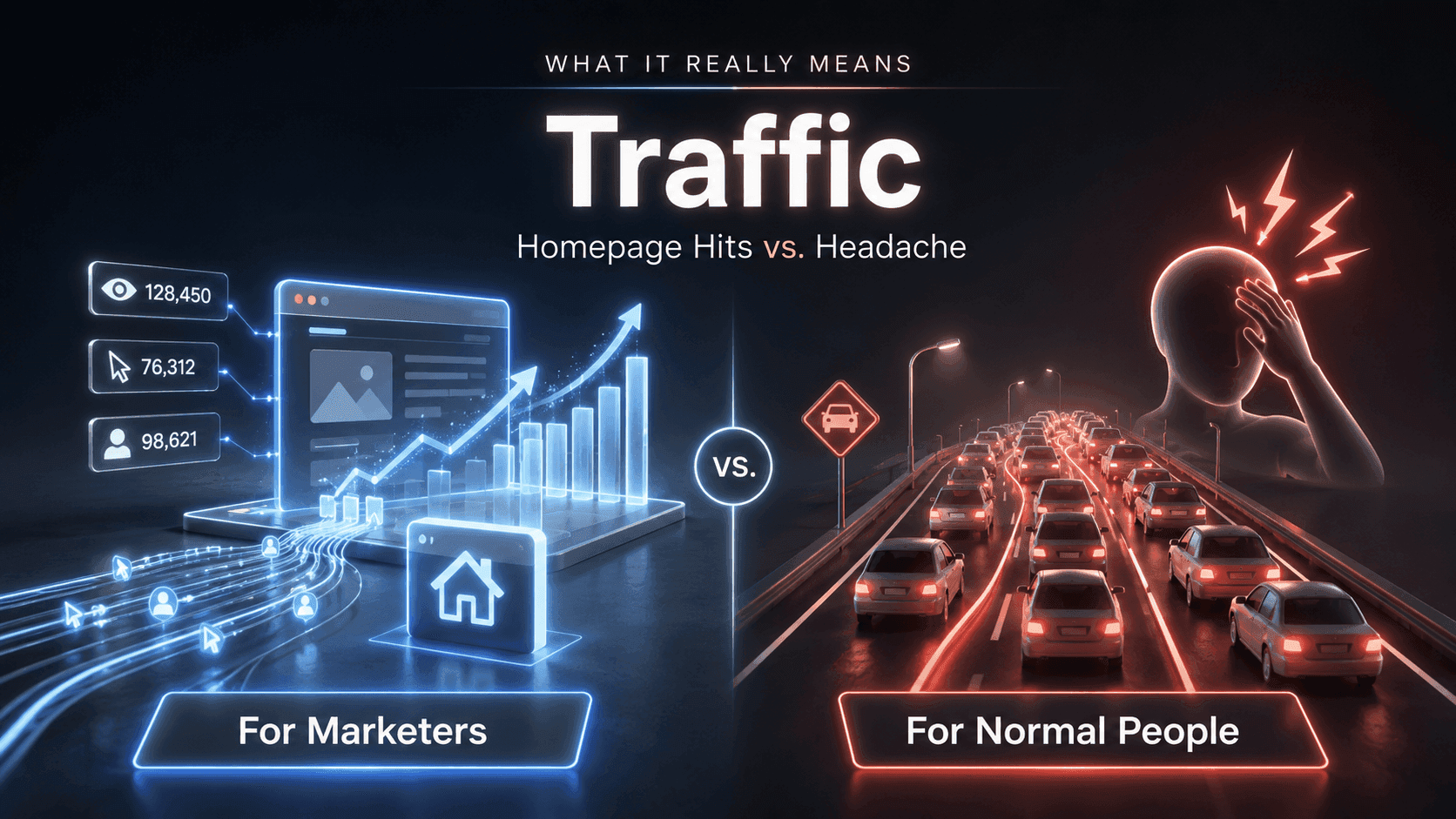
Traffic: Homepage Hits vs.Headache-What It Really Means for Marketers vs. Normal People
Posted by Mary Massoumi |.March 22 2026
You May Also Like
M Powered Ventures supports startups and companies by providing world-class tech expertise.
The AI Marketing Revolution: A 15 Year Marketing Director’s Perspective
A seasoned marketing director shares her 15-year journey from AI skeptic to adopter, revealing how tools like ChatGPT and Midjourney transformed her workflow while addressing the challenges of maintaining brand authenticity in an AI-driven marketing landscape.
Mary Massoumi · March 22 2026 · 4
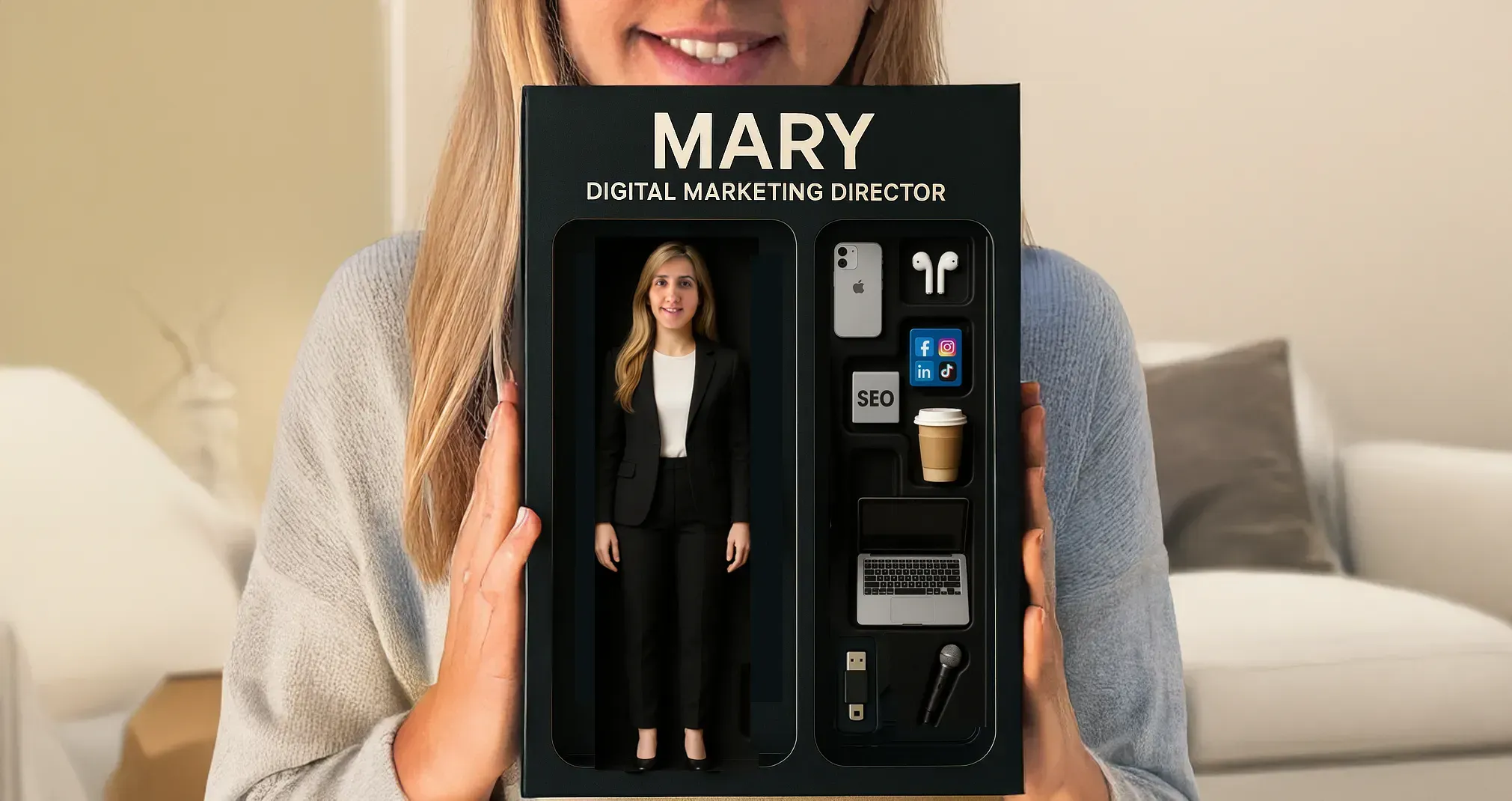
Everyone’s an Action Figure: Navigating the AI-Generated Avatar Trend in Marketing
Explore how AI-generated avatars are transforming LinkedIn personal branding. Marketing expert Mary Massoumi weighs authenticity vs. innovation in professional networking.
Mary Massoumi · March 22 2026 · 7
Have questions about implementing these ideas?
We're here to help.Contact Usfor a free consultation orPitch Your Startupif you're looking for a technical co-founder.
