
Development


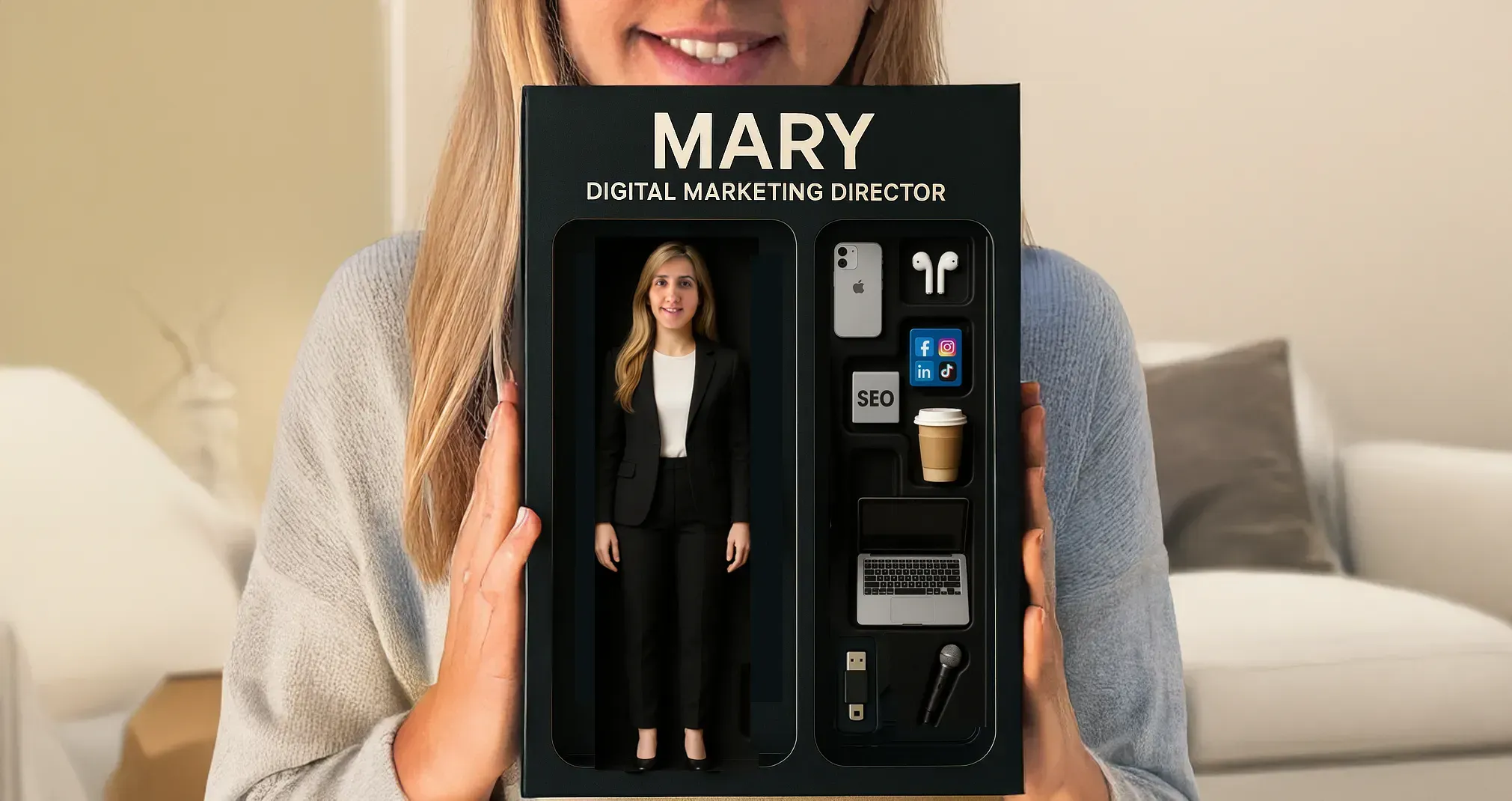
When I scroll through LinkedIn over my morning coffee, I feel like I’ve stumbled into an action-figure convention. AI-generated portraits and “heroic” avatars have flooded my feed. One friend is wearing a plastic cape, while another is posing like a tiny marketing superhero, holding a miniature smartphone and microphone.
Don’t get me wrong, I love a fun trend, but it’s incredible how quickly AI has enabled us to produce these ultra-stylized figurines. However, there’s a deeper side to this phenomenon worth discussing, especially when we think about the future of work, marketing, and the overall purpose of what we share online. It’s a fascinating trend: on one hand, a fun, creative twist to personal branding; on the other, it’s making all our profiles start to blend together in a sea of uncanny sameness.
- Fun, But Familiar—A Double-Edged Sword Let’s admit it: these AI avatars look cool. Who wouldn't find it exciting to see themselves portrayed as a flawless superhero version of their professional self? They’re eye-catching and can convey a vibe of tech-savvy creativity. People are using them to stand out—or at least, they were standing out at first. However, as the trend gains momentum, the novelty may become less appealing. When every third post features someone’s AI-enhanced face with the characteristic digital art style, it begins to feel somewhat predictable:
AI as a Game-Changer If you’ve been in the marketing world for more than a minute, you’ve seen how technology reshapes the way we do our jobs. I’m talking about moving from direct mail and print ads to social media targeting to now employing AI for predictive analytics—and that’s just scratching the surface. According to a 2025 study by Gartner, over 70% of large enterprises will use AI-driven content creation for marketing campaigns, up from just 30% in 2022. It’s no surprise that our personal branding is also getting an AI upgrade.
These “action figure” posts stem from the same technology fueling digital art. AI image generation has become so accessible that even non-tech-savvy users can create polished, imaginative portrayals of themselves—complete with elaborate backgrounds, props, or even entire fictional universes. It’s the new form of self-expression.
The Copycat Problem The catch, though, is that the more we use identical tools and prompts, the more uniform these creations start to look. You scroll through LinkedIn and see five different pros with nearly the same stylized figurine: a business suit, a latte, and perhaps some accessory items around them. It’s the AI equivalent of showing up to a party wearing the same outfit as everyone else.
And from a brand perspective, blending in is rarely a winning strategy. While novelty can attract a short-term wave of likes, the real question is, do these posts bring value to your audience, or are they just part of the “visual noise?” And let’s not forget the line between creative inspiration and repetition. These tools draw from databases of existing art and photography. Feed in the same prompts, and you’ll get similar outputs. The result? A lot of us end up with avatars that look like cousins in the same digital family—professional yet formulaic. It’s a bit like everyone using the same Instagram filter; the first few times it’s cool, but eventually, it’s “Oh, another one of those.” For personal branding, standing out matters. If your AI avatar just makes you blend into the latest fad, that’s doing the opposite of what you hoped.
- The Hidden Costs: From Pixels to Planet Being a marketing director, I’m also inclined to ask about the less obvious implications of this avatar craze—like what’s the cost behind those pretty pixels? I’m not talking about the $17.99 some app charges, but the computational and environmental cost. Generating AI images isn’t magic; it chews through real energy in some data center. In fact, an analysis in 2024 found that
Creating a single AI-generated image can consume as much energy as charging a smartphone halfway.
Half a phone charge per image doesn’t sound huge until you consider millions of people generating dozens of pictures each. All those action figures add up to a lot of electricity. Studies confirm that
Generating images is by far the most energy- and carbon-intensive AI-based task.
Now, I’m not here to guilt-trip anyone for experimenting with a trendy new tool. (I’d be a hypocrite—I did try turning myself into an action figure just to see what the fuss was about!). But I do think it’s worth a moment of reflection. In an age where many professionals (and companies like the ones we work for) are pledging to be more sustainable, it’s a bit ironic that our vanity might be contributing, however slightly, to extra carbon emissions. Those server farms working overtime to render our perfect jawlines and hair might be drawing power from unsustainable sources. The point isn’t to say “never make AI art,” but rather to use these tools mindfully. Maybe we should consider that generating whimsical avatars, like traveling for conferences instead of doing a Zoom meeting, is not always consequence-free. In short: enjoy the tech, but keep an eye on the footprint—digital and carbon.
- Culture Clash: Avatars vs. Authenticity on LinkedIn Beyond the glam and glitz, there’s a deeper question: Do AI avatars align with LinkedIn’s professional, purpose-driven culture? LinkedIn, at its heart, is about real people, real careers, and genuine connections. It’s a place where authenticity carries weight. The whole idea of a personal brand on LinkedIn is to present your best real self—not a fictitious version. So, if your profile picture is an AI-crafted image that looks almost like you, what message does that send?
Some branding experts worry it might send the wrong message. Trust is a big issue —
using a picture that isn’t a true photo of you could subtly undermine your credibility
After all, if I meet you via a Zoom call or in person after seeing your AI-enhanced profile, will I recognize you? One career coach quipped that your headshot should be current enough that
“People need to be able to spot you in a coffee shop.”
It’s a valid point: People do business with people—ideally people they feel they know. An AI avatar might look professional, but if it scrubs away the approachable, human aspects of you, it could make you seem less real.
LinkedIn’s culture also leans toward purpose and substance. It’s a platform where posts about leadership lessons, industry insights, and personal growth journeys thrive. A flashy avatar for avatar’s sake can feel out of place, almost like wearing a costume to a board meeting. If your personal brand advocates authenticity, empathy, or inclusivity, a contrived image might dilute that narrative.
- Using AI Headshots Thoughtfully: Tips for LinkedIn Personal Branding here are some guidelines to consider to get the best of both worlds If you want to spice up your profile with an AI-generated image:
Keep “You” in the Picture: Ensure your photo actually resembles you. A little enhancement or artistic flair is fine, but people should recognize you. Avoid extreme makeovers. Remember, if someone meets you in person, you want them to recognize you, so don’t stray too far from the real you. Align it with Your Brand Purpose: Use AI imagery strategically to highlight what you stand for. The goal is for the image to support your narrative, not distract from it. Ask yourself: Does this photo help me to tell my professional story, or is it just a random decoration? If it’s the latter, reconsider. Consider Your Audience (and Industry): The reaction to an AI profile pic can vary by field. In cutting-edge tech or creative industries, people might nod appreciatively at your AI photo—it signals you’re embracing innovation. In more traditional sectors such as finance or law, or in roles that rely on personal trust like HR or sales, a highly stylized photo may cause arousal. Mind the Ethics (and Fine Print): Be aware of the implications. Check the terms of the AI tool (who owns the image?). Does the AI tool store your face data? — These are new waters for personal data. Also, be prepared to be transparent if someone asks about your picture. You don’t necessarily need to caption it “This is AI!” but if a client jokingly says, “You look like an actor in your photo,” it’s an opportunity to share why you chose it. That can turn into a conversation about tech, creativity, or even a lighthearted icebreaker—which is a much better outcome than any sense of being misled. By following these pointers, you can experiment with the latest AI visuals without losing sight of professionalism. The key is treating AI tools as enhancers for your personal brand, not replacements for authenticity. When used thoughtfully, they can indeed level up your presence; used haphazardly, they can just as easily detract from it.
In a world where technology is rapidly changing how we present ourselves, the core branding question remains: Are these AI-generated avatars helping you tell your story, or are they telling a story of their own? What do you think? Are AI avatars on LinkedIn a game-changer for branding or just a fleeting trend?
Stay updated on tech trends
Join our mailing list for exclusive insights and practical tech advice delivered to your inbox.
Other Blog Posts




For Businesses
Need expertise on your next technical challenge? our team is here to help.
Mary Massoumi
Mary Massoumi
Marketing Director (15+ years) exploring new tools/techniques. Daily insights on AI, MarTech, social media & ads
Impressions: Ad Views vs. First Impressions — What It Really Means for Marketers vs. Normal People
Posted by Mary Massoumi |.August 30 2026
Custom Software Development vs. No-Code vs. Off-the-Shelf: How Startups Should Decide
Posted by Mary Massoumi |.June 11 2026
Traffic: Homepage Hits vs.Headache-What It Really Means for Marketers vs. Normal People
Posted by Mary Massoumi |.March 22 2026
You May Also Like
M Powered Ventures supports startups and companies by providing world-class tech expertise.
The AI Marketing Revolution: A 15 Year Marketing Director’s Perspective
A seasoned marketing director shares her 15-year journey from AI skeptic to adopter, revealing how tools like ChatGPT and Midjourney transformed her workflow while addressing the challenges of maintaining brand authenticity in an AI-driven marketing landscape.
Mary Massoumi · March 22 2026 · 4
AI Anxiety in the Modern Workplace: Overcoming Fear and Embracing Technology
A marketing director's practical perspective on overcoming AI anxiety in the workplace, explaining why artificial intelligence is a tool for enhancement rather than replacement, and how professionals can adapt and thrive alongside emerging technology.
Mary Massoumi · March 22 2026 · 5
Have questions about implementing these ideas?
We're here to help.Contact Usfor a free consultation orPitch Your Startupif you're looking for a technical co-founder.
